My 4th of July Era USA Retro Wavy Svg: A Designer's Real-World Review
As someone who has spent years stitching, designing, and reviewing embroidery files for both personal hobbies and commercial ventures, I approach every new download with a mix of excitement and skepticism. When I first opened My 4th of July Era USA Retro Wavy Svg, I wasn't just looking at a vector file; I was visualizing the finished stitch count on a cotton tee or a denim tote bag. The "retro wavy" aesthetic has been a staple in the crafting world for a while now, but the execution varies wildly between designs that look great on screen and those that actually hold up under the needle.
This review is not about the marketing hype surrounding digital downloads. It is about how My 4th of July Era USA Retro Wavy Svg performs when it transitions from a flat graphic to a textured, stitched reality. I tested this design with the intention of using it for a small batch of holiday merchandise, specifically focusing on custom apparel and home decor items for an upcoming craft fair. Here is my honest assessment of its potential, pitfalls, and practical value.
The First Impression: Mood and Visual Personality
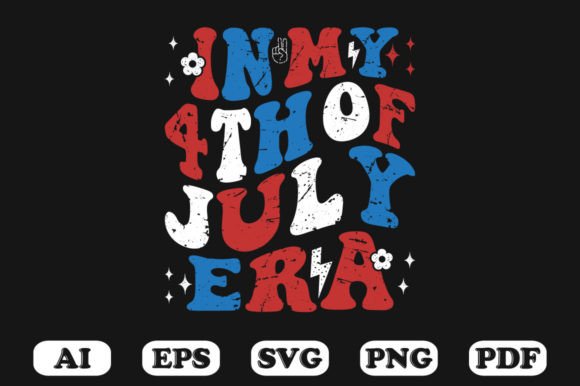
The moment you see My 4th of July Era USA Retro Wavy Svg, the mood is unmistakable. It captures that nostalgic, mid-century Americana vibe that screams summer picnics and backyard barbecues. The wavy typography isn't just a stylistic choice; it adds a sense of movement and fluidity that rigid block letters often lack. For a designer, this is crucial because it allows the piece to feel organic rather than stiff.
In terms of layout, the design balances bold statement text with a classic color palette that works seamlessly for patriotic themes. However, the true test of any design lies in its details. Does the wave distortion create areas where stitches might bunch? Are the curves sharp enough to be recognizable after washing? From a purely visual standpoint, the file offers a clean, professional look that fits perfectly within the Crafts and Graphics categories. It feels like a design meant to be worn proudly, not hidden away in a closet.
Real-World Application: The Tote Bag Scenario
To truly evaluate this design, I decided to simulate a real-life project: creating a set of embroidered tote bags for a local boutique owner. The goal was to produce a limited run of reusable shopping bags featuring a vintage-inspired Fourth of July message. This scenario is perfect for testing My 4th of July Era USA Retro Wavy Svg because canvas fabric presents specific challenges compared to standard jersey knit.
When placing the design on the canvas, the retro wavy shape proved surprisingly adaptable. Unlike intricate floral patterns that can get lost on heavy textures, the bold lines of this SVG stood out immediately. The curves of the text flowed naturally across the flat surface of the bag, avoiding the awkward stretching issues that sometimes occur with straight lines on non-uniform fabrics. I found that the design worked exceptionally well as a central focal point, making the product feel premium and thoughtfully curated.
For the embroidery project, I selected a high-quality polyester thread to complement the retro aesthetic. The contrast against the natural canvas background created a striking visual appeal that customers could appreciate even from a distance. In a retail setting, this kind of clear, legible design builds immediate trust. Buyers want to know that the craftsmanship matches the promise of the image, and My 4th of July Era USA Retro Wavy Svg delivers on that front.
Performance Across Different Products
While the tote bag was a success, I also considered how this design would translate to other common handmade products. The versatility of My 4th of July Era USA Retro Wavy Svg makes it a strong candidate for various applications, provided you adjust your technique accordingly.
- Custom Apparel and Sweatshirts: On sweatshirts, the wavy design adds a soft, relaxed feel that pairs well with the cozy texture of fleece. However, on t-shirts, especially those made of thin, stretchy fabric, care must be taken to avoid puckering. The density of the fill stitches needs to be balanced so the fabric doesn't become too rigid.
- Baby Embroidery: For baby onesies or burp cloths, the retro theme is adorable and timeless. The curves are gentle enough to feel safe and comfortable against delicate skin, assuming the backing stabilizer is removed properly.
- Holiday Embroidery and Gifts: This design shines as a personalized gift. Whether applied to kitchen towels, aprons, or pillow covers, the patriotic theme resonates strongly during the summer season. It transforms a generic item into a unique, sentimental keepsake.
- Commercial Embroidery: For Etsy sellers and small shop owners, this file offers a high perceived value. It looks professional enough to command a higher price point, distinguishing your brand from mass-produced goods.
Where to Proceed with Caution
No design is without its limitations, and understanding where My 4th of July Era USA Retro Wavy Svg might struggle is just as important as knowing where it excels. As an experienced reviewer, I have to highlight a few areas where caution is required.
First, consider the hoop size. If you attempt to use this design on very small items like caps or tiny patches, the wavy nature of the text might cause issues. Curved surfaces like baseball caps require careful tensioning, and if the design is too wide, it may distort around the curve. Always test on a scrap piece of the same material before committing to a final product.
Secondly, be mindful of stitch density. While the file looks great digitally, some retro styles pack a lot of detail into tight spaces. On dark fabrics, the thread coverage needs to be sufficient to prevent the background color from showing through. If the design relies heavily on satin stitch for the lettering, ensure your machine settings are optimized to prevent thread breaks or skipped stitches.
Additionally, avoid using this design on extremely thin or highly stretchy fabrics without proper stabilization. The weight of the embroidery could cause the fabric to ripple, ruining the clean lines of the wavy text. For these materials, a lighter touch or a smaller version of the design might be necessary.
Practical Designer Notes for Success
If you are planning to incorporate My 4th of July Era USA Retro Wavy Svg into your workflow, here are a few essential tips to ensure a flawless finished product.
- Test First: Never skip the scrap fabric test. Run the design on a piece of your actual project fabric to check for puckering, thread tension, and overall clarity.
- Check Color Contrast: Evaluate how the thread colors will interact with your base fabric. A white outline on a light blue shirt might disappear, whereas a navy outline would pop.
- Inspect Small Details: Zoom in on the original file to ensure there are no tiny, isolated elements that might get lost in the stitching process. Sometimes, what looks good on a screen disappears under the needle.
- Review Stabilizer Needs: Use the appropriate stabilizer for your fabric type. Heavy-duty cut-away stabilizers are often best for dense designs like this one to maintain structure over time.
- Verify Licensing: Before selling any items made with this design, confirm the licensing terms. Ensure you have the right to sell finished goods if you are a craft business owner or Etsy seller.
Final Thoughts on Value and Appeal
Ultimately, My 4th of July Era USA Retro Wavy Svg is a solid addition to any designer's library. It strikes a balance between trendy aesthetics and timeless appeal, making it suitable for everything from casual wear to formal holiday gifts. The design enhances the perceived quality of handmade products, helping you stand out in a crowded market.
Whether you are creating a single personalized gift for a neighbor or producing a full line of boutique merchandise, this file provides a reliable foundation. By paying attention to fabric selection, stabilization, and machine settings, you can transform this digital asset into a tangible masterpiece that customers will love. It is a reminder that good design is not just about how it looks on a screen, but how it feels in your hands once the stitching is complete.